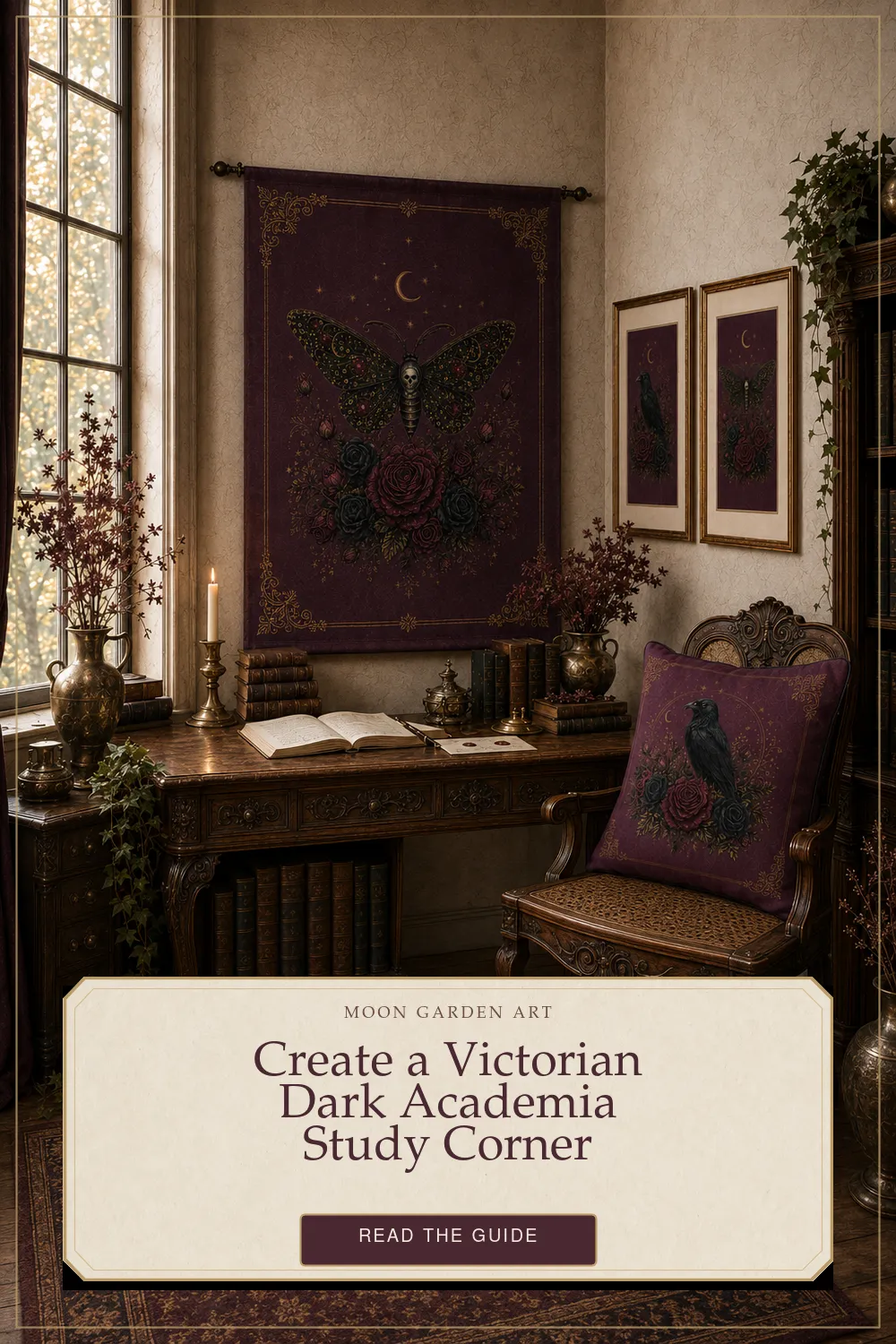
How to Create a Victorian Dark Academia Study Corner
How to Create a Victorian Dark Academia Study Corner

DARK ACADEMIA LIVING


How to Create a Victorian Dark Academia Study Corner

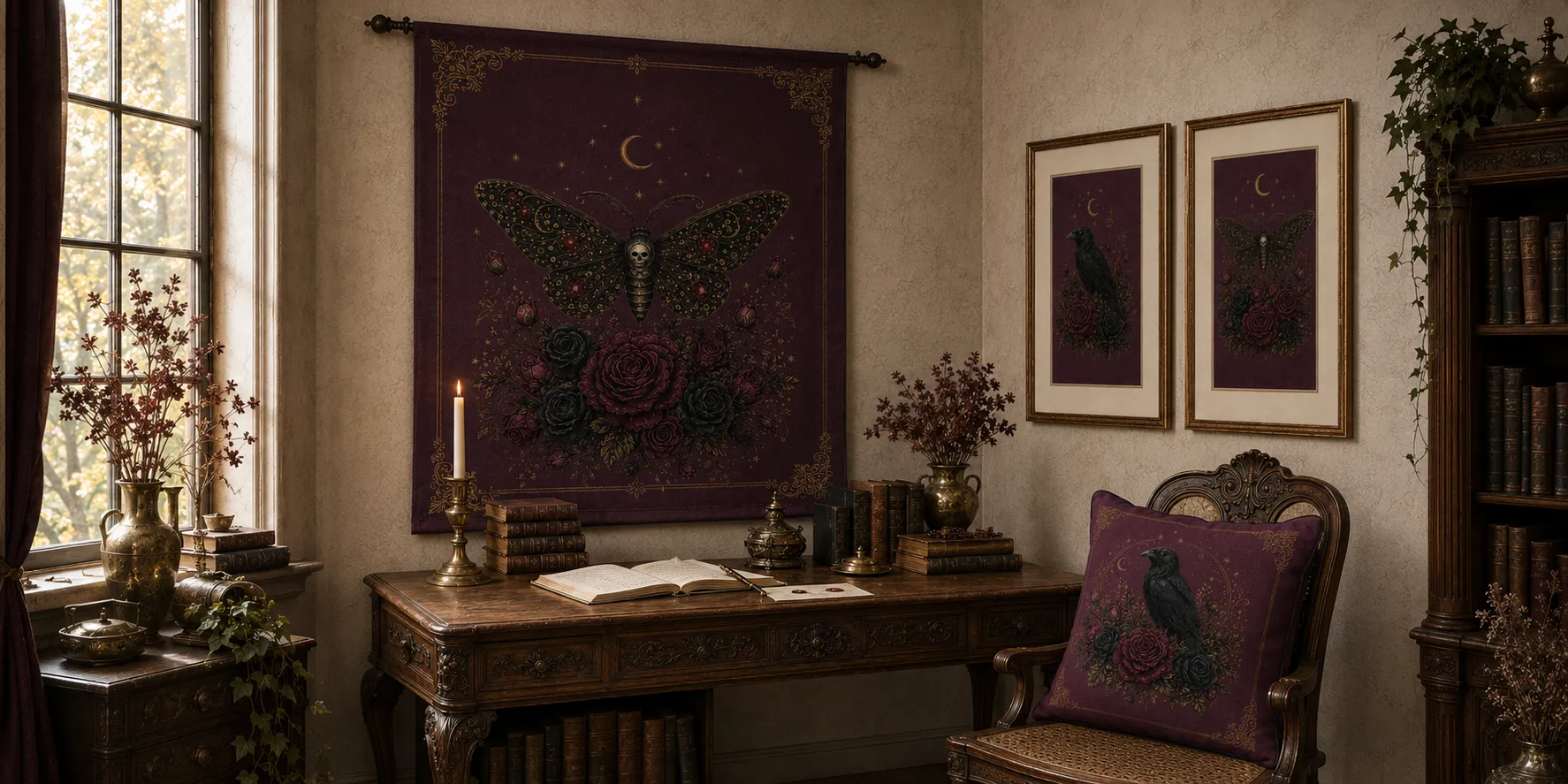
Layered textures, mood lighting, and antique-inspired details come together to create a space that feels timeless, introspective, and deeply personal.
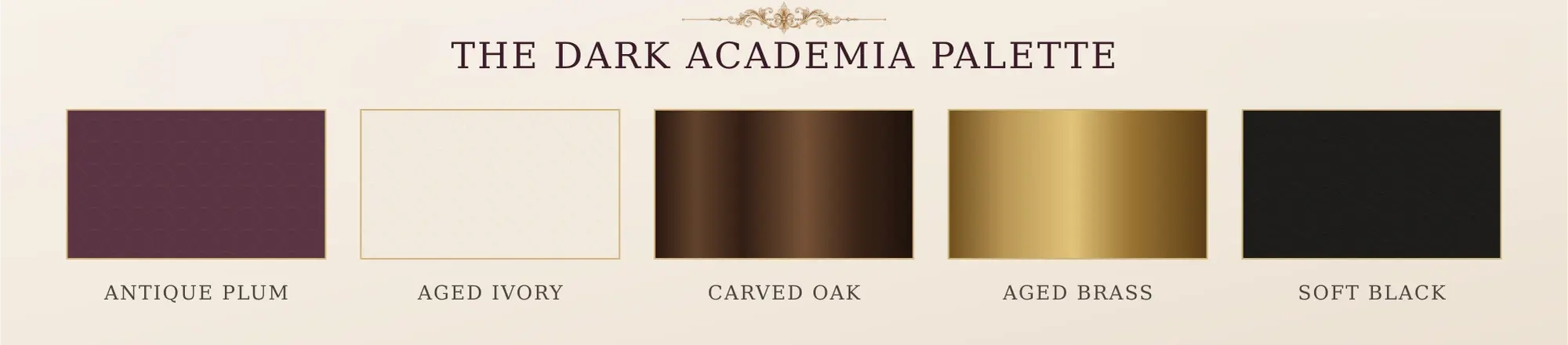
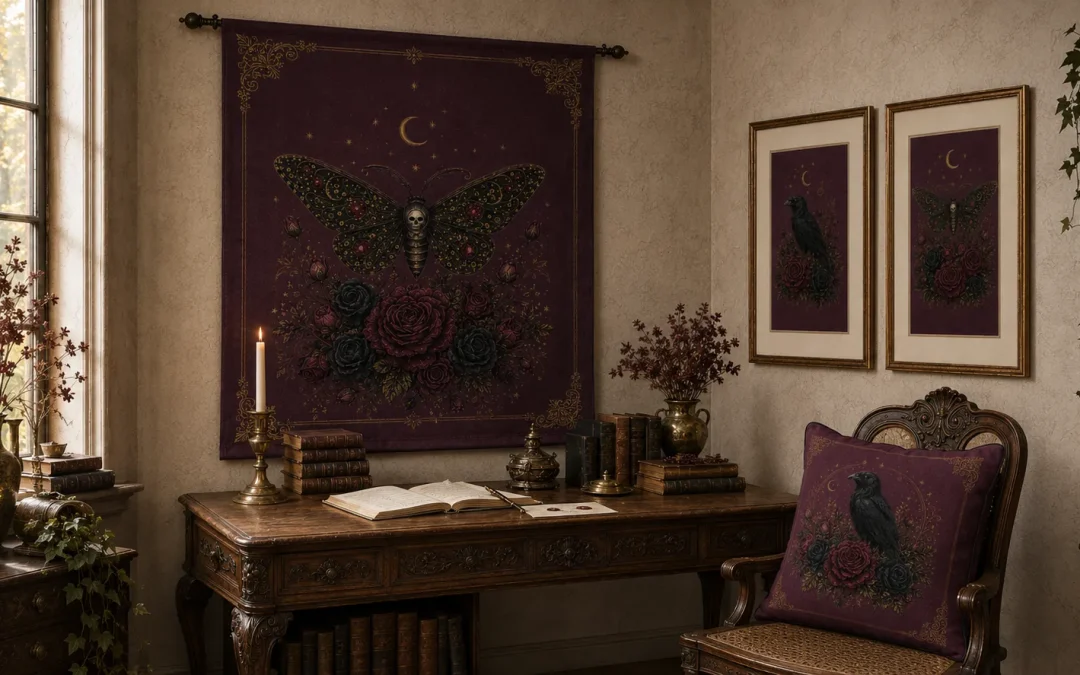
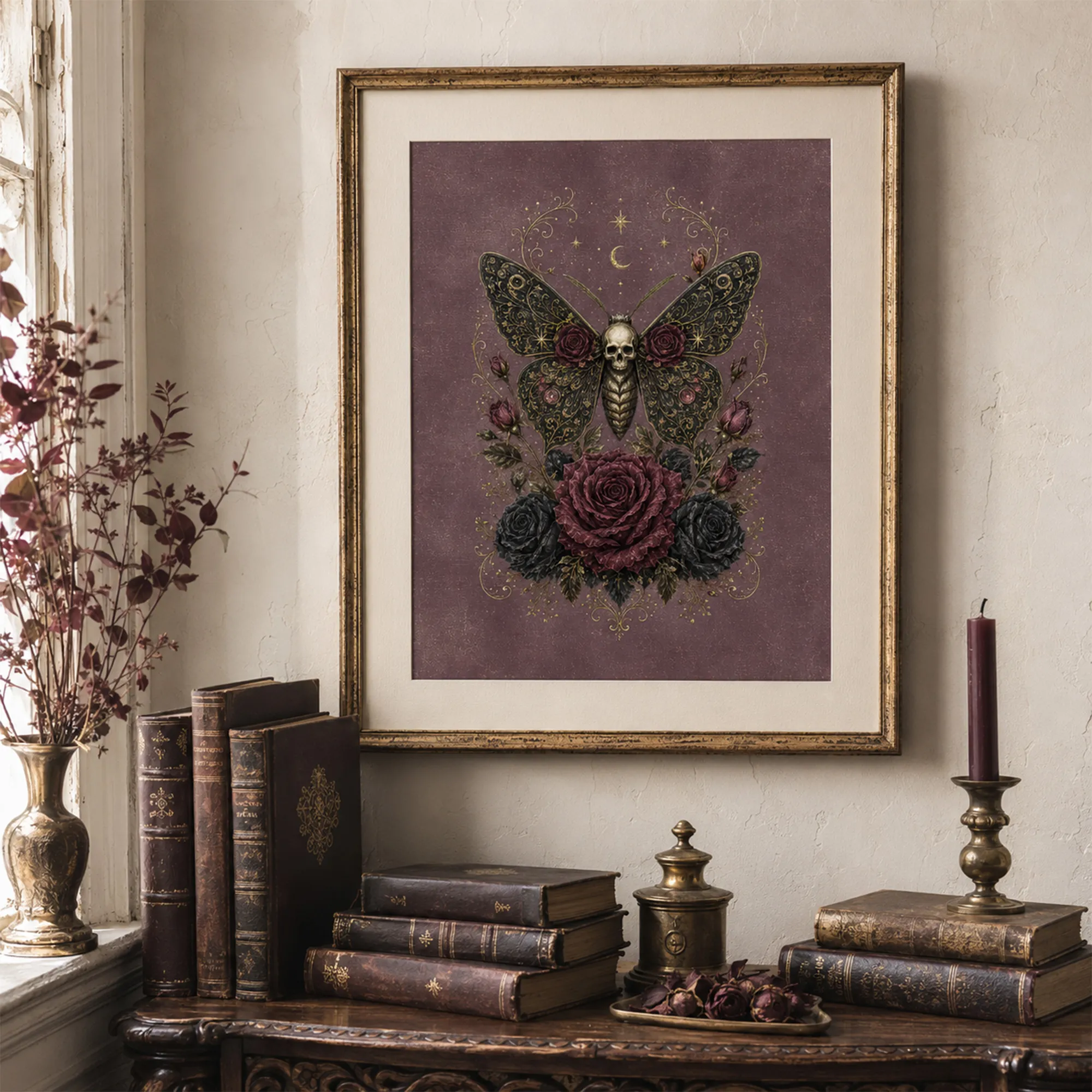
Victorian Dark Academia color palette in antique plum, aged ivory, carved oak, aged brass, and soft black
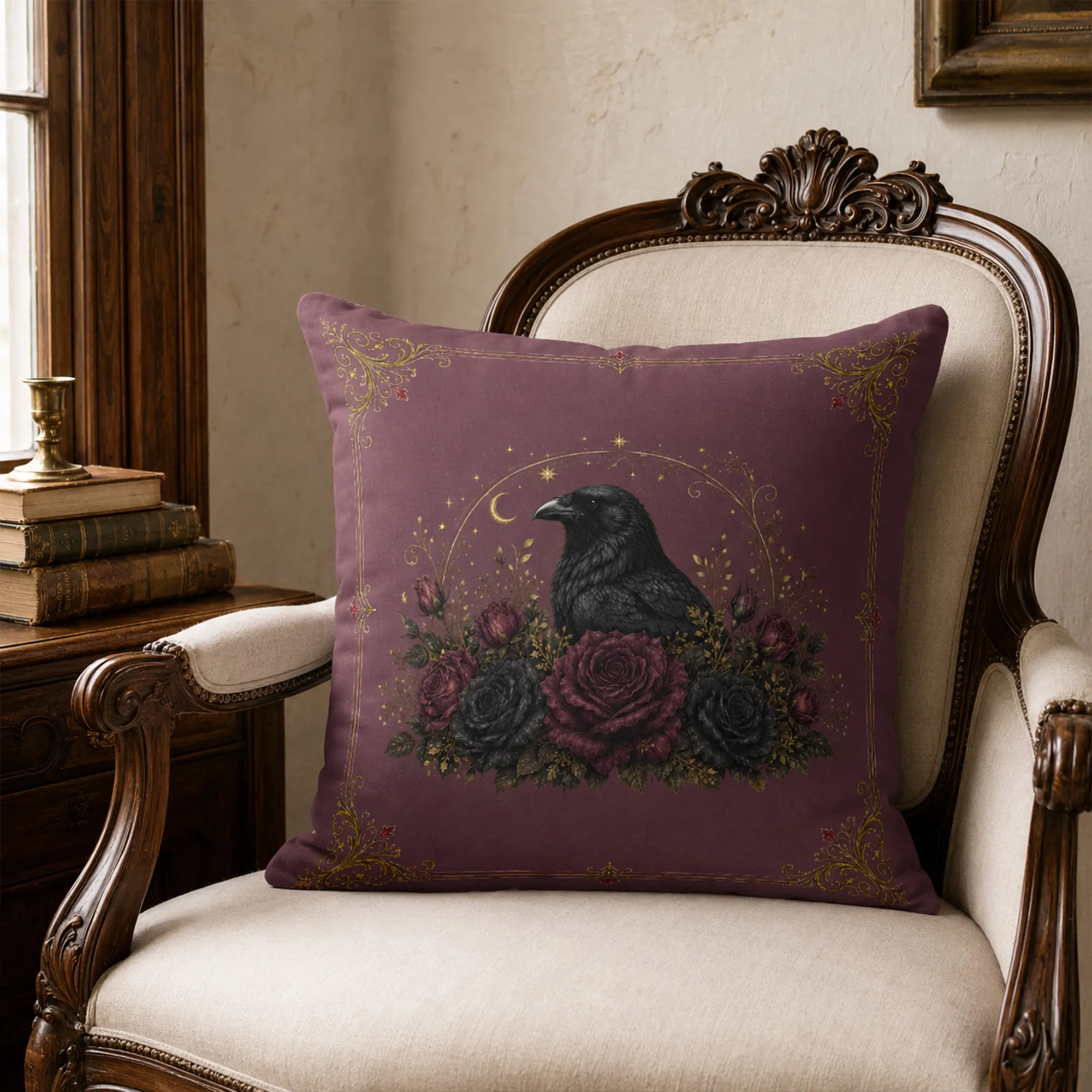
Antique plum raven floral pillow styled on a carved Victorian chair

TEXTURE & TONE

Start with Meaningful Details

Accent pieces like decorative pillows bring depth and storytelling into your space.

Rich fabrics, moody florals, and symbolic motifs set the tone for a study that feels collected and intentional.

Antique Gold Oriental Divider

Look for details that speak to your curiosity, creativity, and love of the old world.

Antique Gold Oriental Divider

STYLING TIPS

Antique Gold Oriental Divider

LAYER YOUR LIGHT

Use warm ambient lighting, shaded lamps, brass accents, and candlelight to create a soft, focused glow.

BUILD IN LAYERS

Mix vintage books, aged wood, textiles, and natural elements for a space that feels collected over time.
EMBRACE MOOD

Deep colors and romantic details cultivate an atmosphere of inspiration and retreat.

MAKE IT PERSONAL

Curate pieces that reflect your passions and spark your imagination every time you enter.

Antique Gold Oriental Divider

WALLS THAT TELL A STORY

Antique Gold Oriental Divider
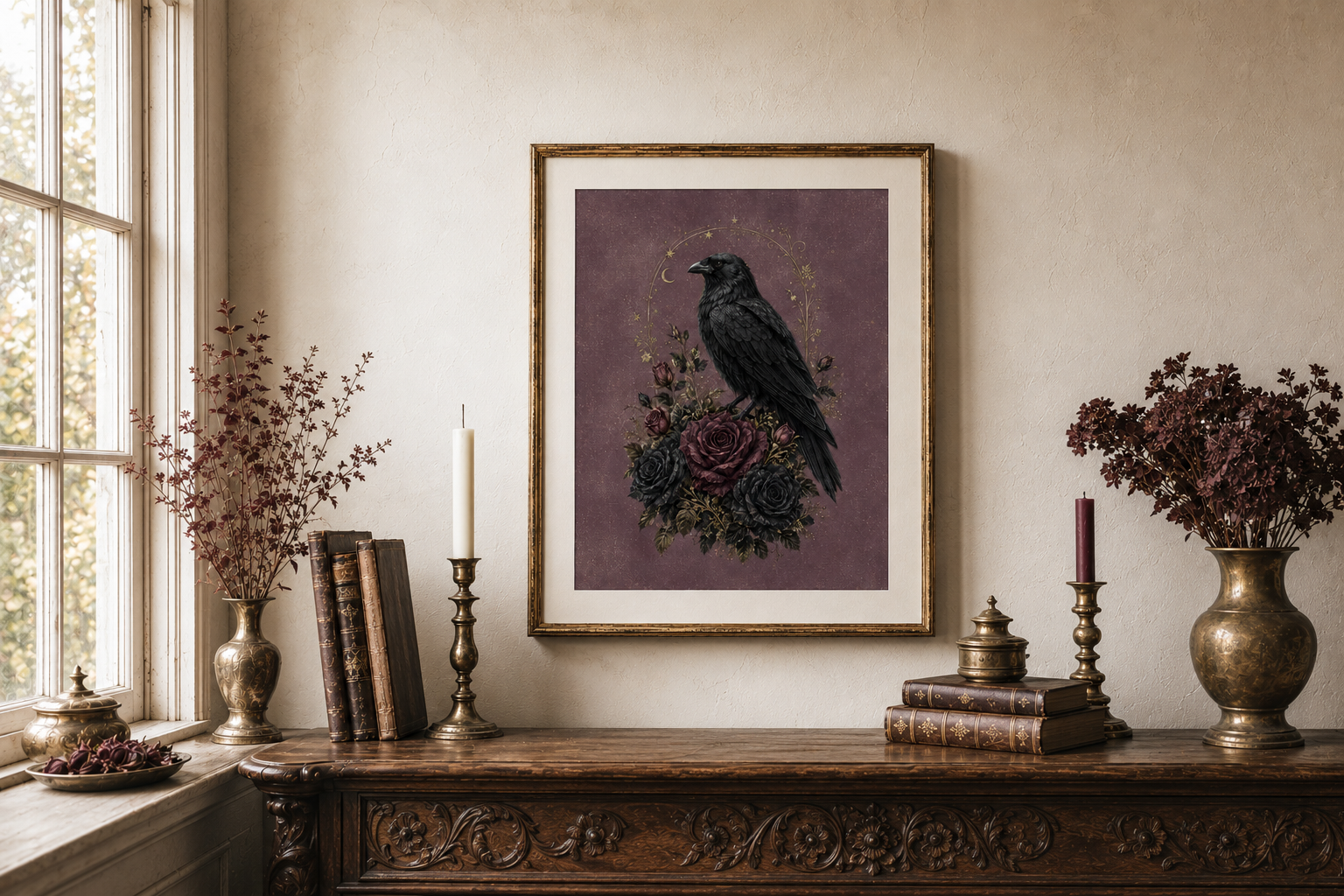
Antique plum raven floral wall art in a vintage brass frame above a dark wood desk

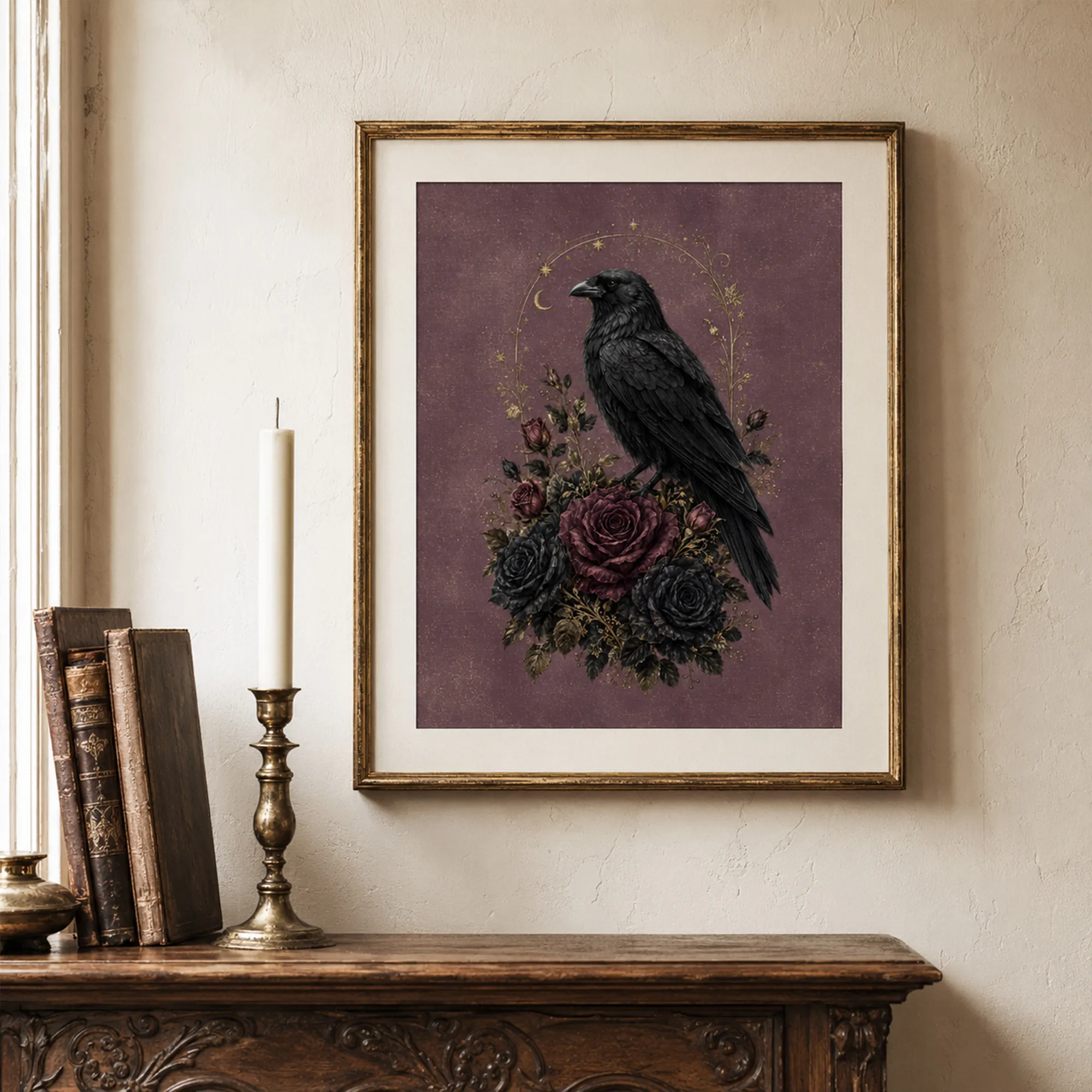
THE RAVEN

A symbol of wisdom and mystery, perfect for sparking thought and imagination.

Antique plum raven floral wall art in a Victorian dark academia study corner

THE MOTH

Embrace transformation and the beauty of the macabre with this striking design.

Antique Gold Oriental Divider

SHOP THE LOOK

Antique Gold Oriental Divider

PIN IT FOR LATER

SAVE THIS IDEA FOR LATER

Planning your own Victorian dark academia study corner? Save this guide to Pinterest and return whenever you’re ready to layer the details.

THE SECRET IS IN THE LAYERS

Begin with one dramatic focal piece, then add warm light, aged books, meaningful art, and treasures collected over time.

Explore more soulful reads

More stories to nurture your spirit.

Choosing the Path That Feels Like Mine

Choosing the Path That Feels Like Mine

Choosing the Path That Feels Like Mine

As the light continues to grow, something shifts quietly inside us.

Imbolc has passed.
The days are longer now.
Morning light lingers just a little more before leaving.

This is often the moment when goals begin to surface — not as loud resolutions, but as gentle questions:
What do I want to move toward?
What feels true for me now?

Yet this is also where many of us get lost.

We begin to shape our goals around what is expected.
Around what feels acceptable.
Around what others might approve of.

And slowly, almost without noticing, we stop listening to the heart.

Goals that come from the heart feel different

An authentic goal doesn’t shout.
It doesn’t demand immediate proof.
It doesn’t come with a clear, logical plan attached.

Instead, it carries a quiet sense of rightness.

You may not know how you will reach it.
You may not even know when.
But something in you recognizes the direction.

This is not weakness.
This is intuition.

Trusting it requires courage — especially if you were taught to value approval over inner truth.

letting go of control and learning to trust life

Trusting yourself before you trust the outcome

One of the hardest lessons on this path is learning to believe in yourself, not just in the result.

We often think confidence means seeing the whole road ahead.
In reality, confidence means trusting that you can meet what arises along the way.

That if learning is required, you can learn.
If obstacles appear, you can adapt.
If fear surfaces, you can tend to it with care.

You don’t need to know everything now.
You only need to know that you are capable of responding.

choosing gentle habits instead of self-pressure

Commitment as an act of self-respect

There is a profound difference between effort driven by pressure
and commitment rooted in love.

When we commit to our dreams because we believe we must prove something, exhaustion follows.

When we commit because we feel called — because this path matters to us — energy returns.

Choosing to invest in what truly matters to you is not selfish.
It is an act of self-respect.

It says:
I am worth listening to.
My inner life matters.
My dreams deserve care.

After Imbolc, we do not rush — we root

This season does not ask for speed.
It asks for honesty.

To notice what pulls you forward.
To gently release what was never yours to carry.
To choose presence over performance.

The light is growing — and so are you.
In ways that don’t need to be rushed, proven, or explained.

setting intentions that come from within

A closing mantra

You might wish to return to this during meditation or quiet moments:

I listen to what feels true.
I trust myself to learn what I need.
I commit to my path with patience and care.

Explore more soulful reads

More stories to nurture your spirit.

Learning to Be Present When Stillness Feels Unsafe

Learning to Be Present When Stillness Feels Unsafe

Learning to Be Present When Stillness Feels Unsafe

There are days when nothing is asked of you.
No ritual to prepare.
No intention to set.
No next step waiting to be taken.

And yet, these are often the hardest days to inhabit.

We live in a world that quietly teaches us this equation:
movement equals worth.
Doing equals being enough.

So when there is no action to perform, no task to complete, no visible progress to show, something inside us begins to stir.
Rest can feel unfamiliar.
Presence can feel uncomfortable.
Stillness can feel like failure.

Not because we are doing it wrong —
but because many of us were never taught how to feel safe when nothing is required of us.

When presence feels harder than action

For nervous systems shaped by survival, calm is not neutral territory.

If your body learned early on that safety depended on alertness, adaptation, or pleasing others, then quiet moments can feel confusing — even threatening.
The absence of urgency may trigger questions like:

  • Why am I feeling uneasy when nothing is wrong?
  • Shouldn’t I be doing something right now?
  • What’s wrong with me if I can’t relax?

This is not a personal flaw.
It is not a lack of gratitude.
It is not a failure of spirituality.

It is a nervous system that learned to survive in motion.

When the world finally softens, the body may not immediately follow.

Rest is not inactivity — it is integration

After Imbolc, after the return of light has been felt, we enter a quieter threshold.
Not a time for pushing forward, but for letting the body catch up with what the heart has already sensed.

This is where presence becomes a practice — not a destination.

And presence does not mean perfect stillness.
It means gentle contact with where you are.

Sometimes that contact happens best through the body, not the mind.

Small ways to return to the present

If sitting quietly feels too much, that is okay.
Presence can be found in movement, texture, breath, and play.

You might try:

  • Walking in nature, without a goal. Let your attention rest on sounds, light, and ground beneath your feet.
  • Simple play — with an animal, a child, or even your own hands. Presence often returns through joy before calm.
  • Breathing with structure: slow inhales through the nose, longer exhales through the mouth, reminding the body it can soften gradually.
  • Touch-based grounding: holding a warm mug, a stone, a piece of fabric — something tangible to anchor you here.

None of these are meant to fix you.
They are invitations — ways of saying to the nervous system: You are allowed to be here.

When calm feels undeserved

One of the quiet wounds many carry is the belief that rest must be earned.

That if we are not producing, improving, or helping, we are somehow falling behind.

This is where the practice of allowing becomes essential —
the same allowing we explored earlier: letting ourselves be exactly as we are, without justification.

Presence is not a reward.
Rest is not a privilege.
Calm is not something you have to deserve.

Sometimes the most radical act is to stay with yourself when nothing is demanded.

A gentle reminder

If today feels empty, slow, or undefined, it does not mean you are lost.
It may mean you are integrating.

Nothing is asked of you — and that is not a void.
It is a pause.
A breath.
A place where something quiet can finally settle.

You do not need to fill it.


A small moment of grounding

Before you move on, you may wish to pause here.
This is not something to achieve or repeat perfectly.
Let these words land gently — during meditation, a quiet breath, or simply as you are.

I am allowed to be here.
Nothing is required of me in this moment.
My presence is enough.

Explore more soulful reads

More stories to nurture your spirit.

Pin It on Pinterest